
A short story by Kisanna Szabó
Cherry Trees down
Marigold Street
Part 3
Listen to the story
Part Three
At the age of twelve or thirteen, he went everywhere on his roller-blades. It was much faster than walking, so it saved him time, but what was even better was that it was cool. He was cool. Very cool. He could do the moonwalk on those things!
Shortly after democracy was declared, Nicki’s parents put her and her younger brothers in an alternative school. Nicki had been doing just fine in state school, the change was for her brothers really, but her parents had to keep the logistics simple. The new school was far away, so they left early and got home late almost every day. He and Nicki did not get the chance to see each other that much anymore.
One morning, Nicki and her family were late leaving for school. He saw them from behind just as he was coming out of the house. He caught up with them in a few seconds, swooshing by on his roller blades on the bumpy pavement. He did a fancy twirl in front of Nicki and came to a perfect stop in front of her.
‘Hi!’
She was smiling radiantly, her little brothers were looking at him admiringly.
‘I’ve been trying to get Nicki to smile all morning and now here you are! You did it in a second! It’s so nice to see you,’ Nicki’s mum said warmly.
‘There was nothing to smile about, Mum. Josh is being unbearably whiny and Theo won’t stop asking stupid questions. And you won’t stop nagging me,’ she said to her Mum in a tone of adolescent sarcasm. But when she looked at him, her smile was real – she couldn’t help it.
That was the last time he’d seen Nicki. He remembered every moment of that little scene very vividly.
He had been keeping a steady pace since he left Buttons, but as he was approaching his old house, his steps became more hesitant again. His blood pressure dropped and cold sweat broke out on his brow. He bent forward to see over the hedge – and felt as if he was walking under water. His heart was thumping.
He felt the smell of freshly baked pastries. Funny thing about memories connected to the senses: he smelt all kinds of pastries at the same time: cheese scones, cherry pie, cinnamon rolls, chocolate buns…
Grandma! She wouldn’t stop for a minute! She had been retired for as long as he’d known her but she wouldn’t ever stop! She could have spent her days relaxing, gossiping and worrying about her relatives as old people normally do, but not her. She got up with the sun and immediately threw herself into the myriad chores that she, and only she, had set for herself. What she did in the garden could not really be called gardening, it was more like contained intensive farming. She had all the species of flowers, fruits and vegetables that grow in this climate, and lots of them. All that endless planting and raking and hoeing and fertilizing and weeding and trimming and … And then came all the preserving jobs, because of course, none of it could be wasted. Only an idiot would waste all that good food, right? So there were serious manufacturing processes of spirits, preserves, pickles, jams and syrups. Jars and bottles took up all the space on the shelves in the pantry, from floor to ceiling on all four walls. Some of it had to go in the attic. The quantities were really industrial. When Grandma had died, they’d given most of it away to relatives and neighbours, and yet four years after her funeral, they were still filling cakes with Grandma’s old jams.
There were two houses in the yard: a small house had been built for Grandma in the corner of the yard, with most of the garden attached to it. The old villa where he used to live with his parents had kept most of its wild romance. The beautiful wrought iron balcony and the ivy on the walls were the same as they used to be. In contrast with Grandma’s, their part of the garden had always looked more like an untended park – bushes and trees grew autonomously. The part that used to be Grandma’s now looked that way too. He felt a bit ashamed that this reassured him.
But the fountain was missing. The fountain! A Diana with a deer standing in a small pool, moulded out of pebbled concrete – an odd product of the early 80’s. The concrete Diana… His mum used to tell them that it was the fountain of youth and those who bathed in it often would never get old.
That smell of freshly baked pastries in his nose! How could it be so strong and real? It seemed to be actually getting stronger and more specific. Cherry pie! This smell was real! He was so touched by this that his eyes watered. He had promised himself that he would control himself, but his belly growled and before he knew it, he was ringing the bell.
He had never had an easy relationship with his grandmother. He couldn’t make anything of her endless self-imposed labour. He scorned this voluntary self-torture, as he saw it; he thought it foolish and a sign of lack of awareness. He despised his grandmother’s tight-lipped, overworked frustrations. A dialogue with his mum echoed in his head, making a strange contrast to the sweet smell of cherry-pie.
‘How am I supposed to have a good time when you make me stay with her? She’s toiling away all the time and I feel guilty if I enjoy myself.’
‘Does Grandma nag you about things? Does she talk down to you?’
‘No, not really! It’s just that she won’t stop running around doing stuff! What’s all this being busy all the time? There’s no sense in it! I can never relax around her.’
‘You love her preserves and cakes and all the fruit and the veg, as far as I know.’
‘I do. I love it all. But you know perfectly well that she’s overproducing.’
‘I know. And you know that I’ve been trying to slow her down. But it’s just the way she is. The way she was brought up, what she learned… she wants to be useful.’
‘Doesn’t it occur to her that she’d be more useful if she paid attention to things other than her chores? She won’t talk about anything else, if she ever talks at all. I can never relax at her house! Please don’t make me stay with her.’
‘Try helping her first. Then you’ll be able to relax better.’
His mind was in the past, his senses were in the present and he himself was lost somewhere between them. He was only slightly aware that he had just rung the bell.
An old woman peered out of the kitchen window. She was around the age his grandma had been when they all still lived there.
‘Umm, hello. I was just, well, we used to live here and my grandma lived in that small house that is now obviously a shed and… and I loved her cherry pies, as well as all her other pastries, and this smell is just the same as that of her cherry pie…’ He smiled awkwardly.
The old lady looked at him for a few seconds while he was making patterns in the gravel with the toe of his shoe.
‘Do you want to come in? The cherry pie will be ready in a few minutes.’
‘I don’t know what got into me, I just rang the bell and…’
‘Oh, never mind! You come in and keep me company for a little while. You’re not in a great hurry, I hope?’
‘Well, I need to get somewhere soon, but I’m not in a rush.’
‘Good. At least I’ll have someone to enjoy my pie, apart from my silly neighbours, that is. I got some extra cherries from down the street’ – she waved her hand vaguely in the direction of the garden where the old cherry tree used to stand – ‘because I only have a young one and it doesn’t bear much fruit yet. Sit down here. I had to get the old one cut down, you see, it was badly damaged. My grandchildren aren’t that fond of cherries anyway.’
‘Your grandkids aren’t fond of cherries?’
‘No, they aren’t.’
‘Well, have you checked? Are they real children? Not some artificial ones from a factory in China?
‘Ha-ha! I definitely should check! That would explain quite a few things, actually. But tell me about your grandma, dear. She must have been a nice woman – ooh! The pie! It must be ready. I’d better not burn it.’ She jumped up and hurried out of the room, waving the kitchen cloth in her hand, still talking:
‘I keep forgetting things that are right under my nose. It’s impossible, I hope your gran wasn’t anything like that.’
He was left alone in the room that somehow felt like a little empire. He could sense that every object here had a story: the ancient, faded carpet, the art nouveau vases, the paintings, the crocheted tablecloth, the coffee table and the armchairs.
He felt a little dizzy. His grandma was nothing like this – and at the same time exactly like this. The same constant activity; the same accumulation and variety of objects. And being spoiled by this lady felt a little bit like it had with his grandmother, but it was less depressing. This lady, whoever she was, was kinder, and more fun to be with.
The lady returned with a tray full of fresh, steaming, golden-brown cherry pie. It smelled heavenly. He wondered how to start eating appropriately – he felt a strong urge to pounce on the tray and devour all of its contents in a few massive gulps.
‘Don’t hold back, dear. Go at it!’
Ah, it was just lovely! The pastry melted in his mouth and mingled with the sweet juicy cherry filling. He had to close his eyes. As the flavour was spreading through him, his body relaxed and he was flooded with a strange elevated feeling.
After the second slice, he realised that he was eating off a tray just like his grandmother’s. He didn’t say anything. He didn’t want to know if it was the same one.
Half an hour later, he was back out on the street. It had got a little cooler, the sun was casting its last rays along the street. Have to focus. There are things to do here. Steady pace, steady pace, bowed head. But a few seconds later, he felt curious again. The artists’ house. Do the singer and the painter still live here? I wonder what happened to them.
There was a thick, untrimmed row of tall bushes by the fence and the front door was solid, so it was hard to see inside. He peeped in through the bushes. He saw the back of a man – painting! He took a good look at him and though his hair was turning grey and his posture was not as straight as it used to be, he recognised the painter.
He moved a little to the side to peep in at a different angle. He saw a woman sitting in an armchair, with a blanket over her lap, her hair dishevelled like a bird’s nest, her eyes gazing in front of her without focus. Her mouth was open, forming syllables without a sound. A soundless song. The man walked over to her and wiped some saliva from the corner of her mouth with a handkerchief. Just go. Don’t look, just go.
Part Three - for learning
At the age of twelve or thirteen, he went everywhere on his roller blades. It was much faster than walking, so it saved him time, but what was even better was that it was cool. He was cool. Very cool. He could do the moonwalk on those things!
Shortly after democracy was declared, Nicki’s parents put her and her younger brothers in an alternative school. Nicki had been doing just fine in state school, the change was for her brothers really, but her parents had to keep the logistics simple. The new school was far away, so they left early and got home late almost every day. He and Nicki did not get the chance to see each other that much anymore.
One morning, Nicki and her family were late leaving for school. He saw them from behind just as he was coming out of the house. He caught up with them in a few seconds, swooshing by on his roller blades on the bumpy pavement. He did a fancy twirl in front of Nicki and came to a perfect stop in front of her.
‘Hi!’
She was smiling radiantly, her little brothers were looking at him admiringly.
‘I’ve been trying to get Nicki to smile all morning and now here you are! You did it in a second! It’s so nice to see you,’ Nicki’s mum said warmly.
‘There was nothing to smile about, Mum. Josh is being unbearably whiny and Theo won’t stop asking stupid questions. And you won’t stop nagging me,’ she said to her Mum in a tone of adolescent sarcasm. But when she looked at him, her smile was real – she couldn’t help it.
That was the last time he’d seen Nicki. He remembered every moment of that little scene very vividly.
He had been keeping a stead pace since he left Buttons, but as he was approaching his old house, his steps became more hesitant again. His blood pressure dropped and cold sweat broke out on his brow. He bent forward to see over the hedge – and felt as if he was walking under water. His heart was thumping.
He felt the smell of freshly baked pastries. Funny thing about memories connected to the senses: he smelt all kinds of pastries at the same time: cheese scones, cherry pie, cinnamon rolls, chocolate buns…
Grandma! She wouldn’t stop for a minute! She had been retired for as long as he’d known her but she wouldn’t ever stop! She could have spent her days relaxing, gossiping and worrying about her relatives as old people normally do, but not her. She got up with the sun and immediately threw herself into the myriad chores that she, and only she, had set for herself. What she did in the garden could not really be called gardening, it was more like contained intensive farming. She had all the species of flowers, fruits and vegetables that grow in this climate, and lots of them. All that endless planting and raking and hoeing and fertilizing and weeding and trimming and … And then came all the preserving jobs, because of course, none of it could be wasted. Only an idiot would waste all that good food, right? So there were serious manufacturing processes of spirits, preserves, pickles, jams and syrups. Jars and bottles took up all the space on the shelves in the pantry, from floor to ceiling on all four walls. Some of it had to go in the attic. The quantities were really industrial. When Grandma had died, they’d given most of it away to relatives and neighbours, and yet four years after her funeral, they were still filling cakes with Grandma’s old jams.
There were two houses in the yard: a small house had been built for Grandma in the corner of the yard, with most of the garden attached to it. The old villa where he used to live with his parents had kept most of its wild romance. The beautiful wrought iron balcony and the ivy on the walls were the same as they used to be. In contrast with Grandma’s, their part of the garden had always looked more like an untended park – bushes and trees grew autonomously. The part that used to be Grandma’s now looked that way too. He felt a bit ashamed that this reassured him.
But the fountain was missing. The fountain! A Diana with a deer standing in a small pool, moulded out of pebbled concrete – an odd product of the early 80’s. The concrete Diana… His mum used to tell them that it was the fountain of youth and those who bathed in it often would never get old.
That smell of freshly baked pastries in his nose! How could it be so strong and real? It seemed to be actually getting stronger and more specific. Cherry pie! This smell was real! He was so touched by this that his eyes watered. He had promised himself that he would control himself, but his belly growled and before he knew it, he was ringing the bell.
He had never had an easy relationship with his grandmother. He couldn’t make anything of her endless self-imposed labour. He scorned this voluntary self-torture, as he saw it; he thought it foolish and a sign of lack of awareness. He despised his grandmother’s tight-lipped, overworked frustrations. A dialogue with his mum echoed in his head, making a strange contrast to the sweet smell of cherry-pie.
‘How am I supposed to have a good time when you make me stay with her? She’s toiling away all the time and I feel guilty if I enjoy myself.’
‘Does Grandma nag you about things? Does she talk down to you?’
‘No, not really! It’s just that she won’t stop running around doing stuff! What’s all this being busy all the time? There’s no sense in it! I can never relax around her.’
‘You love her preserves and cakes and all the fruit and the veg, as far as I know.’
‘I do. I love it all. But you know perfectly well that she’s overproducing.’
‘I know. And you know that I’ve been trying to slow her down. But it’s just the way she is. The way she was brought up, what she learned… she wants to be useful.’
‘Doesn’t it occur to her that she’d be more useful if she paid attention to things other than her chores? She won’t talk about anything else, if she ever talks at all. I can never relax at her house! Please don’t make me stay with her.’
‘Try helping her first. Then you’ll be able to relax better.’
His mind was in the past, his senses were in the present and he himself was lost somewhere between them. He was only slightly aware that he had just rung the bell.
An old woman peered out of the kitchen window. She was around the age his grandma had been when they all still lived there.
‘Umm, hello. I was just, well, we used to live here and my grandma lived in that small house that is now obviously a shed and… and I loved her cherry pies, as well as all her other pastries, and this smell is just the same as that of her cherry pie…’ He smiled awkwardly.
The old lady looked at him for a few seconds while he was making patterns in the gravel with the toe of his shoe.
‘Do you want to come in? The cherry pie will be ready in a few minutes.’
‘I don't know what got into me, I just rang the bell and…’
‘Oh, never mind! You come in and keep me company for a little while. You’re not in a great hurry, I hope?’
‘Well, I need to get somewhere soon, but I’m not in a rush.’
‘Good. At least I’ll have someone to enjoy my pie, apart from my silly neighbours, that is. I got some extra cherries from down the street’ – she waved her hand vaguely in the direction of the garden where the old cherry tree used to stand – ‘because I only have a young one and it doesn’t bear much fruit yet. Sit down here. I had to get the old one cut down, you see, it was badly damaged. My grandchildren aren’t that fond of cherries anyway.’
‘Your grandkids aren’t fond of cherries?’
‘No, they aren’t.’
‘Well, have you checked? Are they real children? Not some artificial ones from a factory in China?
‘Ha-ha! I definitely should check! That would explain quite a few things, actually. But tell me about your grandma, dear. She must have been a nice woman – ooh! The pie! It must be ready. I’d better not burn it.’ She jumped up and hurried out of the room, waving the kitchen cloth in her hand, still talking:
‘I keep forgetting things that are right under my nose. It’s impossible, I hope your gran wasn’t anything like that.’
He was left alone in the room that somehow felt like a little empire. He could sense that every object here had a story: the ancient, faded carpet, the art nouveau vases, the paintings, the crocheted tablecloth, the coffee table and the armchairs.
He felt a little dizzy. His grandma was nothing like this – and at the same time exactly like this. The same constant activity; the same accumulation and variety of objects. And being spoiled by this lady felt a little bit like it had with his grandmother, but it was less depressing. This lady, whoever she was, was kinder, and more fun to be with.
The lady returned with a tray full of fresh, steaming, golden-brown cherry pie. It smelled heavenly. He wondered how to start eating appropriately – he felt a strong urge to pounce on the tray and devour all of its contents in a few massive gulps.
‘Don’t hold back, dear. Go at it!’
Ah, it was just lovely! The pastry melted in his mouth and mingled with the sweet juicy cherry filling. He had to close his eyes. As the flavour was spreading through him, his body relaxed and he was flooded with a strange elevated feeling.
After the second slice, he realised that he was eating off a tray just like his grandmother’s. He didn’t say anything. He didn’t want to know if it was the same one.
Half an hour later, he was back out on the street. It had got a little cooler, the sun was casting its last rays along the street. Have to focus. There are things to do here. Steady pace, steady pace, bowed head. But a few seconds later, he felt curious again. The artists’ house. Do the singer and the painter still live here? I wonder what happened to them.
There was a thick, untrimmed row of tall bushes by the fence and the front door was solid, so it was hard to see inside. He peeped in through the bushes. He saw the back of a man – painting! He took a good look at him and though his hair was turning grey and his posture was not as straight as it used to be, he recognised the painter.
He moved a little to the side to peep in at a different angle. He saw a woman sitting in an armchair, with a blanket over her lap, her hair dishevelled like a bird’s nest, her eyes gazing in front of her without focus. Her mouth was open, forming syllables without a sound. A soundless song. The man walked over to her and wiped some saliva from the corner of her mouth with a handkerchief. Just go. Don’t look, just go.
Cherry Trees part 3 - comprehension
Cherries on trees and cherries in pies. Let’s see how well you’ll do on the comprehension check.
Vocabulary
In the vocabulary list you will NOT find ALL meanings of the words, you will only see what they mean in the story.
The letters in the brackets:
n = noun (eg.: table)
v = verb (eg.: sit)
phr. v = phrasal verb (eg.: take off)
adj = adjective (eg.: happy)
adv = adverb (eg.: slowly)
exp = expression (eg.: by the way)
It is very important: please learn the words in context if possible.
Some words in pictures

twirl

wrought iron
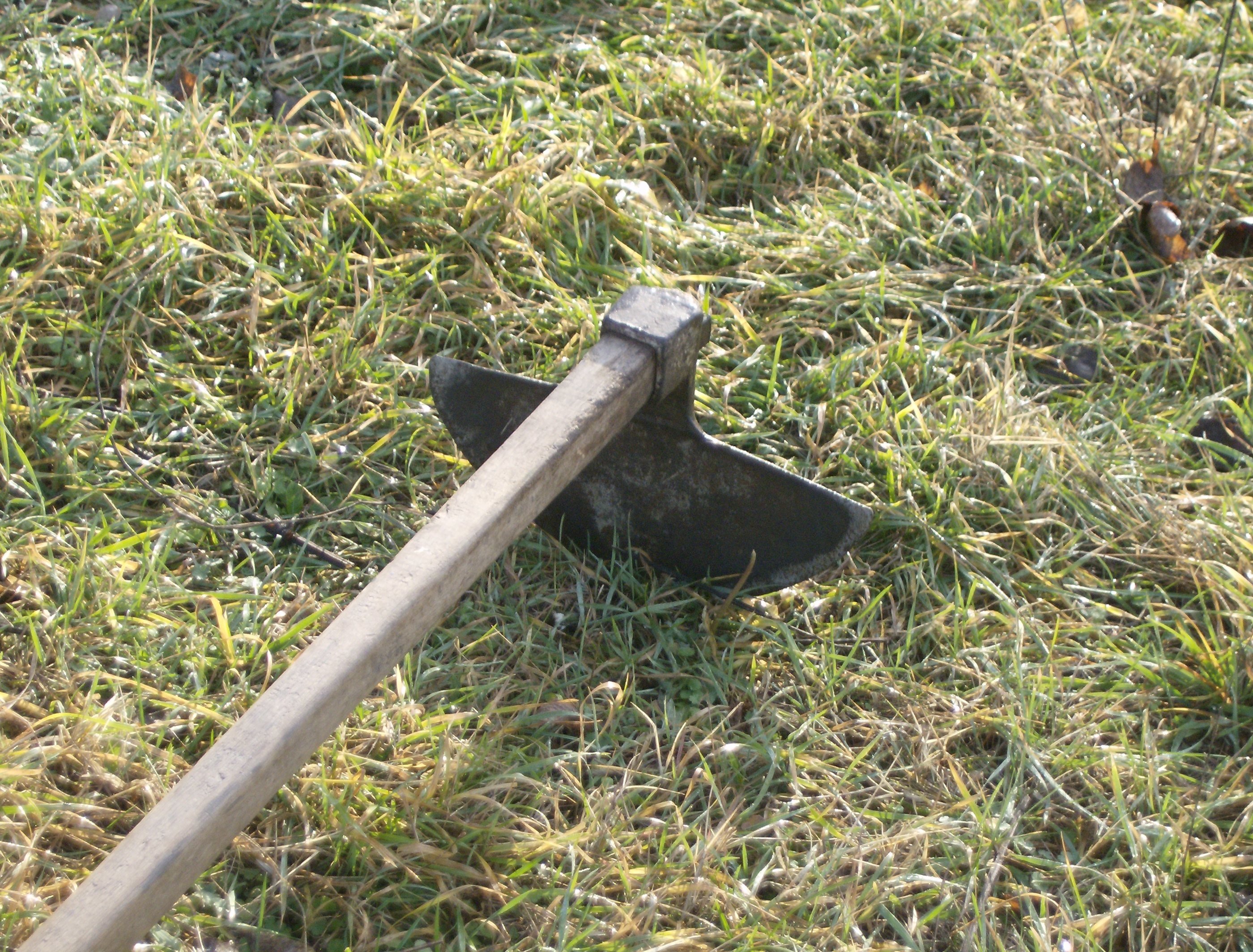
hoe
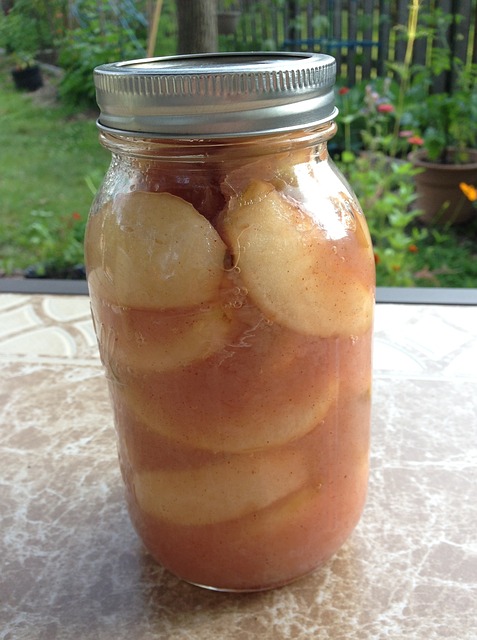
preserve
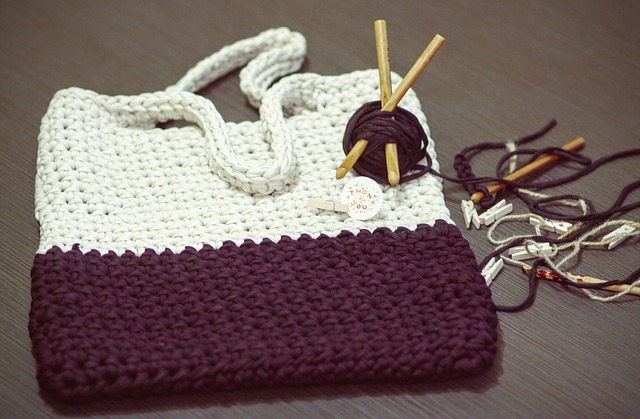
crocheted bag

rake
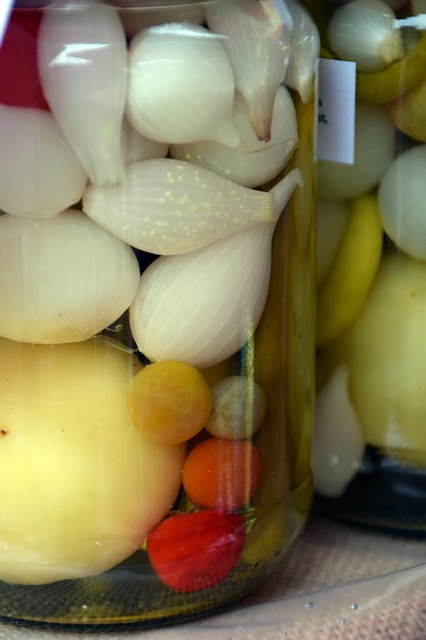
pickle

roller blades
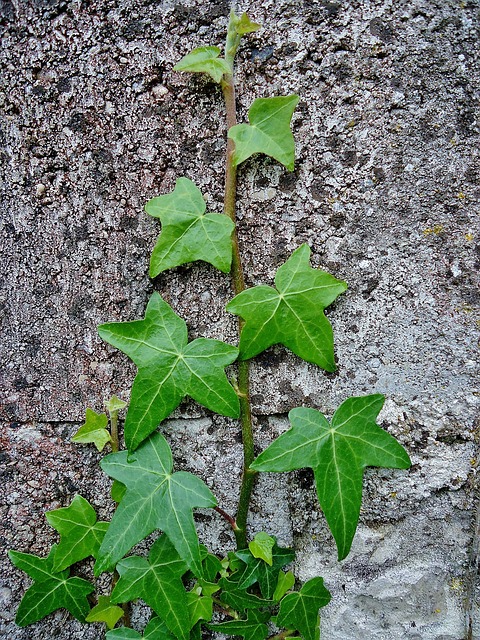
ivy

moonwalk
roller-blades (n) – a type of roller skate used for inline skating. Inline skates typically have two to five wheels arranged in a single line (see image below)
do the moonwalk (exp) – the moonwalk is a typical dance move invented by Michael Jackson
swoosh by (v) – move with a rushing sound
do a twirl (exp) – turn around one’s axis one or a couple of times
nag (v) – harass (someone) constantly to do something that they don’t want to
keep a steady pace (exp) – walk (or run or drive or ride) at an unchanging speed
pace (n) – speed in walking, running or moving
steady (adj) – constant, not changing
thump (v) – hit or strike heavily, especially with the fist or a blunt implement. (Of a person’s heart or pulse) beat or pulsate strongly, typically because of fear or excitement
myriad (adj) – countless or extremely great in number
chore (n) – a routine task, especially a household one
set sth for sb (exp) – arrange something for someone, especially an appliance or a regular task
species (n) – a group of living organisms consisting of similar individuals capable of exchanging genes or procreating
rake (v) – draw together with a rake. ‘Rake’ is a garden tool made of a pole with a toothed crossbar at the end, used especially for drawing together cut grass or smoothing loose soil. (see image below)
hoe (v) – use a hoe (n), which is a long-handled gardening tool with a thin metal blade, used mainly for weeding (see image below)
fertilize (v) – make soil richer and more productive by adding suitable substances to it
weed (v) – remove unwanted wild plants from an area of cultivated ground
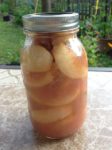
preserve (n) – a foodstuff made with fruit preserved in sugar
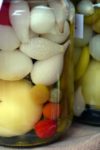
pickle (n) – a relish consisting of vegetables or fruit preserved in vinegar or brine (e.g. pickled cucumber)
wrought iron (adj) – a type of handmade, intricate ironwork used mainly for gates, railings and bars (see image below)
ivy (n) – the collective name for 12–15 species of evergreen climbing or ground-creeping woody plants (see image below)
untended (adj) – not cared for or looked after; neglected
self-imposed (adj) – forced (a task or circumstance) on oneself, not by an external force
scorn (v) – feel or express that someone is unworthy of one’s consideration or respect
occur to sb (phr. v) – to suddenly think of something, to have an idea pop in one’s head
toil (v) – work extremely hard or incessantly
toil away (phr. v) – toil all the time with nothing else on one’s mind. (Similarly to ‘dancing an singing away’ in Part Two)
what got into me? (exp) – what happened to me? This saying goes back to the times when people still believed that the devil could get into someone and cause them to behave unusually.
vaguely (adv) – in a way that is uncertain, indefinite or unclear
be right under one’s nose (exp) – be in front of one’s eyes, in a very visible place
crocheted (adj) – handicrafted – yarn is made up into a textured fabric with a hooked needle
accumulation (n) – the gradual gathering of something, the process of collecting a mass of something
pounce (on) (v) – (of an animal or bird of prey) jump or swoop suddenly so as to catch prey
devour (v) – eat (food or prey) hungrily or quickly
cast (v) – cause (light or shadow) to appear on a surface / throw (something) forcefully in a specified direction
posture (n) – the position in which someone holds their body when standing or sitting
dishevelled (adj) – (of a person’s hair, clothes, or appearance) untidy; disordered
syllable (n) – a unit of pronunciation having one vowel sound, with or without surrounding consonants
saliva (n) – the watery liquid in the mouth
Now start the vocab quiz




Grammar
Getting Emotional
Expressing annoyance
There are many ways to use grammar to express your emotions and therefore make your speech more engaging and substantial. In the Grammar for Cherry Trees Part 3, we’re going to concentrate on expressing annoyance, but you will also get a wider perspective on the expression of any stronger-than-average emotion.

Continuously
Using the continuous where it is not necessary expresses that what you’re talking about has a major impact and effect, most importantly – on you (the speaker). It is a way of adding emphasis, emotional charge. It conveys the meaning of constant effect.
Look at the following examples. Tracking them back in the text and seeing them in context will improve your understanding.
He’s being mean, do something. (Part One)
Josh is being unbearably whiny.
When children tell on each other to adults, they always use the continuous tense. When Nicki says ‘he’s being mean’, we get a sense of urgency, it tells us that she’s greatly annoyed and maybe even in danger.
In cases similar to the second example above, it is true that the source of annoyance (or other emotional effect) is directly present, in the present. Nevertheless, the sentence is not a simple statement of somebody’s general character (Josh is unbearable whiny), but ‘be’ is added in the sentence so that it can carry a sense of directness, presence and urgency.
Four years after her funeral, they were still filling cakes with Grandma’s old jams.
It is obvious that they were not baking all the time, especially not filling cakes all the time. The continuous tense is used here to express the absurdity of the situation that the speaker had to live through.
She’s toiling away all the time.
You know all well that she’s overproducing.
All of these examples would be a typical case of simple present if there was no emotional factor involved. The protagonist is talking about his grandmother’s habits, what she usually does. Putting it in the continuous form tells us that he finds these things constantly annoying, a trait of Grandma that causes him general discomfort.
Note: in American English, it is more common to use the continuous tense in ‘how are you’ type questions. It is normal for an American to ask ‘How are you doing?’, but a Brit would never do that.
Note: Similarly to annoyance, you can express being touched, being afraid, suspicion, excitement, etc. with the use of the continuous tense.
You’re being too nice. Do you want something from me?
You have turned my life upside down and I’m being a fool.
You‘re making every day of my life wonderful! I love you.

Won’t / wouldn’t
‘Won’t‘ and ‘wouldn’t‘ are often used when expressing annoyance. Again, children use it a lot when complaining about something. It’s possible to use both of them in the present, but you have to know that ‘won’t’ implies a stronger, more direct annoyance; wouldn’t is used more to express general annoyance (this latter case is similar to expressing inclinations with would, as discussed in Part One to this course.
In these types of cases in our story, wouldn’t is sometimes just the past tense of won’t – everything is in the past, only dialogues use the present to describe what’s happening.
As you can see from the examples below, the verb most commonly used after won’t or wouldn’t in this context is ‘stop’.
He was a nuisance and a menace, he wouldn’t stop harassing the other kids. /Part One/
Mike won’t stop bugging me! /Part One/
He called the dog’s name again in a low, soft voice, but she still wouldn’t stop barking. /Part Two/
Theo won’t stop asking stupid questions. And you won’t stop nagging me.
Grandma! She wouldn’t stop for a minute! She had been retired for as long as he’d known her but she wouldn’t ever stop!

Adding pronouns
Personal pronouns
By repeating the subject or the object using pronouns, you emphasize the involvement of the subject or the object in the case at hand.
Look at the following examples:
She got up with the sun and immediately threw herself into the myriad chores that she, and only she, had set for herself.
An adventure in itself.
A typical way to set the contrast in a sentence is to use but not + pronoun.
She could have spent her days relaxing, gossiping and worrying about her relatives as old people normally do, but not her.
Demonstrative pronouns
When we read sentences like this, we almost see the mimics and gestures that go with them: the disgusted/amazed/shocked face and the flick of the hand. The demonstrative pronouns here don’t carry extra meaning, nor are they necessary. They only carry emotional charge.
It still had that post-apocalyptic feel. (Part One)
There is this strange sensation we get after putting down a heavy load we’ve been carrying for a while. (Part One)
‘That‘ and ‘this‘ here implies to the memories of the reader/listener: dig deep in your mind and soul and find the post-apocalyptic feel / this strange sensation – then you’ll understand what I’m talking about.
Note that here, just like in normal cases of demonstrative pronouns, we use this/these for things that are present at the place and time of speaking and that/those for things that are distant. (This is sometimes irrelevant and both demonstrative pronouns are possible)
Stepping into the kids’ room: What’s all this mess?
Talking about the conditions in the kids’ room on the way home from school: What’s all that mess?
But that fourth person, that… (Part One)
That man… with that awful beard, what was he doing here, eh? (Part One)
This person (and his beard) was so strange/terrible/suspicious that we can’t even find words to describe him or name him.
All+ demonstrative pronoun
‘All’ with the demonstrative pronoun expresses an imbalance in the emotional state or outrage.
All that endless planting and raking and hoeing and fertilizing and weeding and trimming and …
All those things that you have done for me are truly awesome. But why have you done this all?
I can’t believe it! All this bureaucracy we have to go through just to get this certificate…!
Using the demonstrative pronoun here carry a message of ‘You know what I’m talking about, right? You must agree with me that it’s terribly annoying/wonderful/etc
‘What’s all this being busy all the time?
What’s all this partying and leisure? Don’t you have anything better to do?
Now check your grammar knowledge.
Watch, listen and repeat
In this video you can practice the pronunciation of some sentences from the short story, especially the ones that express annoyance or carry emotional charge. Listen and repeat after the speaker.
From here you can download the audio of the video above. Use it for practicing while driving, waiting, tidying, etc.:
Do you have any questions about the lesson? Feel free to ask. We are here to answer.
Do you have any questions about this lesson? Feel free to ask us here, we will reply. (And don't worry about making mistakes)
0 Comments